
You probably don’t spend a lot of time thinking about your septic system.
That’s normal. After all, they’re buried underground, largely out of sight, and rarely demand attention — until something goes wrong.
What many homeowners don’t realize is that the health of their septic system can have a direct impact on the health of local waterways, including the streams, wetlands and rivers that make up the Port Tobacco River watershed.
In fact, one of the most important things homeowners can do to help protect water quality is simply keep their septic system functioning properly.
How a Septic System Works
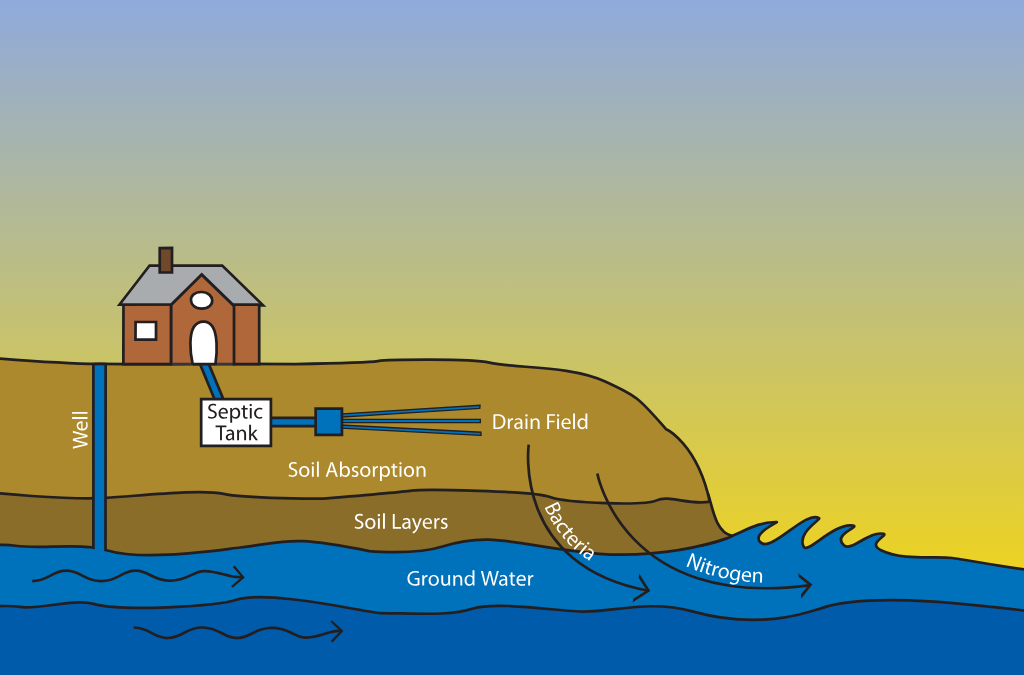
A septic system is designed to treat wastewater generated by your home. Every time you flush a toilet, take a shower, run the dishwasher or wash clothes, that water flows into a septic tank.
Inside the tank, solids settle to the bottom while oils and grease rise to the top. The partially treated wastewater then flows into a drain field, where it slowly filters through the soil. As the water moves through the ground, natural processes help remove bacteria, nutrients and other contaminants before the water reaches groundwater supplies.
When everything is working as intended, septic systems do an effective job of treating household wastewater.
The problem occurs when systems are neglected, overloaded or allowed to deteriorate over time.
What Happens When a Septic System Fails?
A failing septic system doesn’t always announce itself with obvious warning signs.
Homeowners may notice slow drains, sewage odors, soggy areas in the yard or wastewater backups. In other cases, problems can go undetected for months or even years.
When a septic system isn’t functioning properly, untreated or partially treated wastewater can escape into surrounding soil and groundwater. That pollution will eventually make its way into nearby ditches, streams, wetlands and waterways.
The result can be increased levels of harmful bacteria and excess nutrients such as nitrogen and phosphorus. These pollutants can contribute to poor water quality, algae growth and reduced oxygen levels that affect fish and other aquatic life.
Why It Matters to the Watershed
Many residents assume that because they don’t live directly on the Port Tobacco River, their property has little impact on its health.
In reality, everything within the watershed is connected.
Rainwater, groundwater and small tributaries carry water throughout the watershed, eventually feeding larger streams and rivers. What happens on one property can affect water quality miles away.
Recent events, including the sewage spill in Washington, D.C., have reminded us how interconnected our waterways truly are. While large infrastructure failures make headlines, thousands of individual actions taken by homeowners across a watershed also play an important role in protecting water quality every day.
Why Homeowners Should Care
Protecting water quality is important, but there are also practical reasons to stay on top of septic maintenance.
A neglected septic system can lead to expensive repairs, drain field failures and even complete system replacement. Repairs can cost thousands of dollars, which is far more than the cost of routine maintenance.
Failing systems can also create smelly odors, sewage backups and potential health concerns for your family and your neighbors.
Simply put, maintaining your septic system is good for both the environment and your wallet.
Septic System Best Practices
Fortunately, protecting your septic system doesn’t have to be complicated.
A few simple steps can go a long way:
- Have your septic tank pumped every 3 to 5 years.
- Schedule regular inspections to identify issues before they become problems.
- Avoid flushing wipes, paper towels, grease, chemicals and other materials that can damage the system.
- Keep vehicles, heavy equipment and structures off the drain field area.
- Direct roof runoff and other drainage away from the drain field whenever possible.
These preventive measures can help extend the life of your system while reducing the risk of pollution reaching local waterways.
A healthy watershed depends on thousands of individual decisions made by residents every day.
For homeowners with septic systems, routine maintenance is one of the simplest and most effective ways to protect both their property and the natural resources that make the Port Tobacco River watershed such a special place to live.
By taking care of what’s happening underground, we can all play a role in keeping our waterways cleaner, healthier and more resilient for years to come.