
Protecting Southern Maryland’s rivers, creeks and streams doesn’t begin at the water’s edge. It begins in our yards, driveways, neighborhoods and homes.
When rain falls, water moves across the landscape and eventually makes its way into local waterways. Along the way, it can pick up fertilizer, oil, bacteria, litter and other pollutants. That means the choices we make at home — even the ones that may seem insignificant — can have a real impact on the health of the Port Tobacco River and waterways throughout our region.
 And around here, water has plenty of places to go. Our creeks feed the Port Tobacco, the Potomac, the Patuxent, the Wicomico and the Chesapeake Bay. What happens upstream eventually makes its way downstream.
Fortunately, helping protect them doesn’t require a degree in environmental science or committing yourself to endless weekends of picking up trash. Here are seven practical places to start.
1. Use Fertilizer Carefully
It’s fall, which means many of us are already dreaming of the lush, green lawn that will make the neighbors jealous next spring.
But when it comes to fertilizer, more isn’t necessarily better. Excess nutrients can wash away during rainstorms and eventually reach nearby waterways, contributing to excess algae growth and poor water quality.
Only fertilize if your lawn really needs it. Even then, use only what your lawn needs, follow application instructions and avoid fertilizing before heavy rain.
Your lawn doesn’t need an all-you-can-eat buffet.
2. Pick Up After Your Pets
We know. Nobody got a dog because they were excited about this part.
But pet waste left on lawns, sidewalks and other outdoor areas doesn’t simply disappear. When the next torrential downpour rolls through, rainwater can carry bacteria and excess nutrients into ditches, storm drains, streams and eventually our rivers.
So grab the bag. Your neighbors — and the river — will appreciate it.
3. Plant More Native Plants
Southern Maryland is naturally a pretty great place to grow things. Sometimes, judging by how quickly the woods reclaim an unattended corner of the yard, maybe a little too great.
We can put that enthusiasm to work.
Native trees, shrubs, grasses and flowers are adapted to our local environment. Their root systems help absorb rainfall, reduce runoff and hold soil in place. They can also require less intervention once established than plants that weren’t made for our conditions.
As an added benefit, native plants provide valuable habitat and food sources for the birds, butterflies, bees and other wildlife that make Southern Maryland home.
4. Slow Down Stormwater
If you’ve ever watched a thunderstorm turn your driveway into something you’re pretty sure you could surf if you tried, you already understand stormwater runoff.
Water rushing off roofs, driveways and other hard surfaces has to go somewhere. As it travels, it can pick up soil, fertilizer, oil, litter and other pollutants.
Look for opportunities to keep more rainwater on your property. Rain gardens, rain barrels and planted areas can capture or absorb water and let it soak into the ground instead of racing toward the nearest ditch, creek or storm drain.
The goal isn’t to stop the rain. It’s simply to slow the water down.
5. Maintain Your Septic System
For many Southern Maryland homeowners, septic systems are simply part of rural life.
They’re also very easy to forget about — right up until the moment they make themselves impossible to ignore.
A failing or poorly maintained system can allow harmful nutrients and bacteria to enter groundwater and nearby waterways. Have your system inspected and pumped as recommended — usually every three to five years — and pay attention to warning signs such as slow drains, odors or unusually wet areas around your drain field.
Consider it preventative maintenance for your home, your wallet and your watershed.
6. Keep Vehicle Fluids Off the Ground
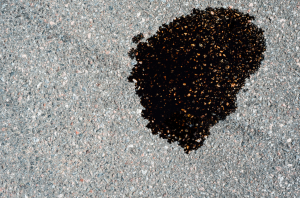 That little oil spot in the driveway might not seem connected to the Port Tobacco River.
Rain can make the connection for you.
Motor oil, antifreeze and other automotive fluids left on driveways and parking areas can be carried into roadside ditches and stormwater systems and eventually reach local waterways.
Repair vehicle leaks promptly, clean up spills and always dispose of used automotive fluids properly.
7. Stop Litter Before It Travels
Anyone who has driven Route 301, Route 6 or one of our rural back roads has seen what happens when bottles, bags and food wrappers end up along the roadside.
Unfortunately, that’s not always where they stay.
Wind and stormwater can carry litter into drainage ditches, streams and rivers. Dispose of trash properly, secure garbage and recycling on collection days — especially when the wind decides your recycling bin belongs three houses down — and pick up litter when you can.
Cleaner Water Starts With All of Us
You don’t have to own waterfront property to have an impact on the water.
That’s really what a watershed means: we’re all connected by where the water goes. A raindrop that lands in a Waldorf neighborhood, on a farm outside La Plata or in a backyard near Port Tobacco begins a journey that can eventually lead to the waterways we love.
No single homeowner can solve every challenge facing those waterways. But thousands of small choices across Southern Maryland add up.