
From the river bottom to the highest treetops, the Port Tobacco River supports a remarkable community of wildlife. Its waters, wetlands, wooded shorelines, and shallow coves provide places to feed, rest, shelter and raise young.
A stroll along the shoreline with a watchful eye will reveal a busy community of wildlife.
A great blue heron waits motionless in the shallows. An osprey circles overhead, searching for its next meal. Bald eagles soar above the water. And beneath the surface, largemouth bass move through sheltered coves while blue crabs forage along the river bottom.
The Port Tobacco River’s wetlands, wooded shorelines, underwater vegetation, shallow coves and open waters offer food, shelter, nesting sites and nursery habitat. Together, they form an interconnected ecosystem in which every animal depends, directly or indirectly, on the health of the river.
Some of these animals live here throughout the year, while others move through with the seasons. Some are easy to spot; others remain hidden below the surface. Each has its own role to play, and each gives us another reason to protect this remarkable Southern Maryland waterway.
1. Bald Eagle
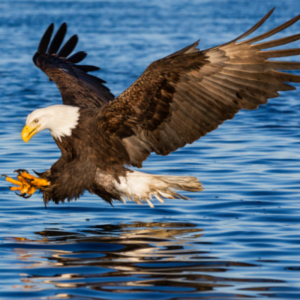 Few sights are as stirring as a bald eagle. These powerful birds build large nests in mature trees and hunt along rivers, where fish are an important part of their diet.
PTRC’s Eagle Cam offers an intimate look at Hope, Chandler and their eaglets. Their story is also a reminder that protecting bald eagles means protecting much more than a nest. Eagles need healthy fish populations, mature shoreline trees and safe habitat with limited disturbance.
2. Great Blue Heron
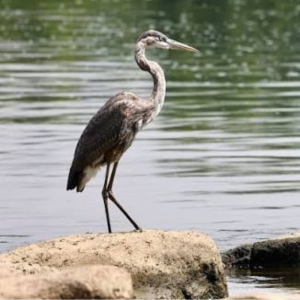 Standing nearly four feet tall, the great blue heron is hard to miss — unless it is perfectly still. Herons patiently stalk the shallows, waiting to strike at fish, frogs and other small aquatic animals.
Shallow water and wetlands are especially important to these graceful hunters. Healthy marshes provide productive feeding grounds while natural shorelines support the many creatures on which herons depend. When you see a heron hunting along the river’s edge, you are watching several parts of the food web come together.
3. Largemouth Bass
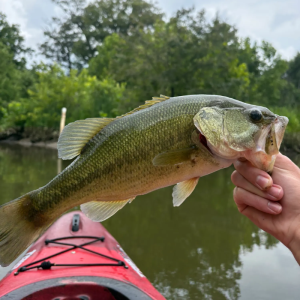 Beneath the surface, largemouth bass patrol quiet coves, submerged vegetation, fallen trees and other sheltered areas. Popular with local anglers, these fish are ambush predators that feed on smaller fish, crayfish, insects and frogs.
Young bass rely heavily on shallow nursery habitat, where vegetation and woody cover offer food and protection. Excess sediment and poor water quality can damage these areas, affecting bass as well as many smaller species that share their habitat.
4. Blue Crab
 The blue crab is one of the Chesapeake Bay region’s most recognizable animals. These crustaceans also inhabit tidal tributaries such as the Port Tobacco River, moving through brackish waters and feeding along the river bottom.
Blue crabs are both predators and scavengers, eating clams, worms, small fish, plant material, and other available food. They are also prey for fish, birds, and other wildlife. Their place in the food web — and in Southern Maryland culture — makes them an especially meaningful symbol of the connection between the Port Tobacco River and the larger Chesapeake Bay.
5. Osprey
 Watch the sky above the river and you may spot an osprey hovering before plunging feet-first into the water. Sometimes called a “fish hawk,” the osprey is a fishing specialist. Fish make up nearly all of its diet.
Ospreys need productive waters where they can find enough prey to feed themselves and their young. Because their lives are so closely tied to fish, their presence offers a visible reminder that what happens beneath the water affects wildlife far above it.
One River, One Connected Community
These five animals occupy very different places in the river ecosystem, but they share the same basic needs: clean water, abundant food, healthy wetlands, natural shorelines and safe places to raise their young.
When we protect the Port Tobacco River, we protect an entire living community. You can help by supporting PTRC, volunteering, becoming a member, and taking simple steps at home to reduce pollution entering our watershed.
Our river is their home — and our responsibility.